
What is Consolidation in Logistics?
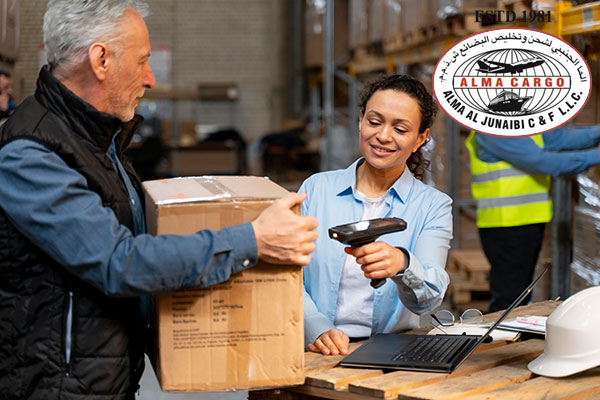
Consolidation in logistics is an effective and strong strategy. It is mainly a combination of a number of smaller consignments at the center. These low loads are usually from different shippers or have different origins. They are well located and combined into a single, large shipment unit. Such a grouping action normally takes place at a specific consolidation centre or depot.
The main objective of the consolidation is simple, but essential. It is made to achieve optimal use of the existing transport space. This maximised efficiency, directly translated to cost reduction of shipping in general. This is also a very crucial process, commonly referred to as cargo consolidation or freight consolidation. It is especially important in the management of the Less-than-Container Load (LCL) shipments.
The Step-by-Step Consolidation Process
The whole operation will start by collecting small shipments at the right time. Such individual goods are gathered from various manufacturers or various suppliers. They are then transported to a consolidation centre where they are temporarily stored and loaded. This node serves as the logistical node of proximity.
The second step involves careful grouping of shipments with the same exact final destination. They are packed, repacked safely and then put in the same vehicle. This can be a container of sea freight or a truck of road freight, or an air cargo pallet. This single and big shipment then moves as a unit.
The Deconsolidation Critical Stage
Immediately the single, massive shipment arrives at the specific destination port or region, deconsolidation starts taking place. The consolidated load is again carefully and methodically subdivided. The products are back-ordered into their respective and original customer orders.
Lastly, these individual deliveries are shipped to be delivered at the final mile. They are sent to their respective ultimate recipient or consignees. The accuracy and ease of handling at this separation stage are beyond doubt. It makes sure that no customer gets the wrong order, and instead, the delays in getting their order do not cause any inconvenience.
The Relaxing Cost-Saving Benefits
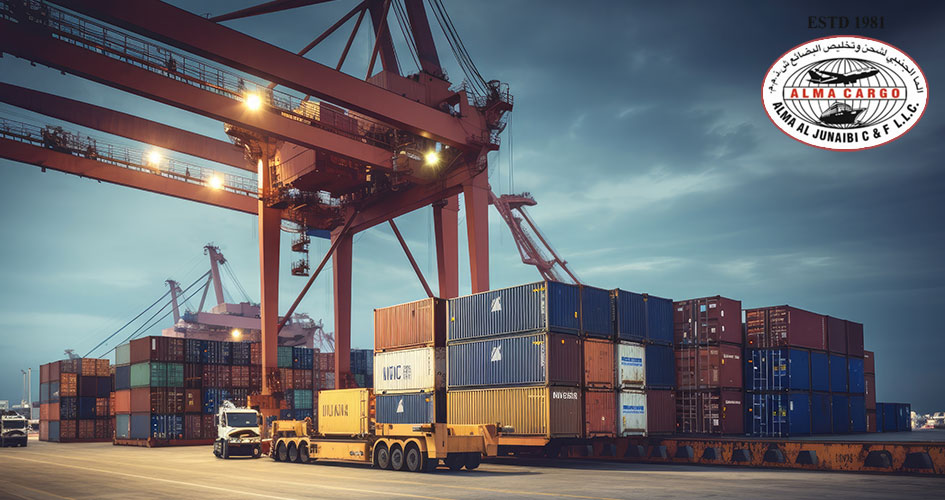
Logistics consolidation has significant and undisputed financial benefits to all businesses regardless of their size. The greatest advantage is that it can lead to a high level of cost reduction. Shippers can effectively transfer the cost involved in the large container or truckload space. This is a strategy that plays the economies of scale.
This renders shipment of individual, smaller consignments far cheaper. Carriers are able to offer much better bulk rates to the companies. This enhanced space utilisation and cost sharing directly reduces the unit cost of shipping. Undertaking fewer expenses will lead to better profitability and competitiveness in the market.
Merger and the Dubai Logistics Company
The logistics consolidation is an absolute need because of the exceptional strategic location that Dubai enjoys. The city is a large volume, global re-export and trade nexus. There are constant shipments of major resources such as Asia, Europe, and Africa. A professional Dubai Logistics Company can be a very important point of critical and high-capacity consolidation.
These are specialised companies that specialise in the pooling of various goods to be distributed swiftly in the entire world. They exploit the fact that the city has the largest and best Jebel Ali Port and the Dubai International Airport infrastructure. This effective and organized cargo combination is an effective way of facilitating the seamless movement of foreign trade through the UAE.
Strategic Strengths of a Dubai Logistics Company
Consolidation is a part and parcel of the business model of any successful Dubai Logistics Company. It enables them to provide very competitive freight charges to Small and Medium-sized Enterprises (SMEs). These are smaller businesses, and in most cases, they are not able to practically afford the cost of Full Container Load (FCL).
Its ability to control hundreds of LCL shipments ensures that the company maximises its fleet and container capacity. This guarantees almost full utilisation of the container in all the major trade routes. It firmly entrenches their position as an important and reliable component of the intricate global supply chain system.
Complex Consolidation Processes
The contemporary logistics uses advanced methods as compared to mere LCL grouping. One such method is the cross-docking, whereby the goods are transferred between the incoming vehicles and the outbound vehicles. The warehouse has little or no warehouse storage time. This saves on handling expenses, and the process takes a shorter duration.
A second advanced technique is Merge-in-Transit. This is a method that brings together elements from various providers on their way to the customer. The final delivery is in the form of a single order. This enhances customer satisfaction and makes the work of receiving easier.
Consolidation of All Transport Modes
The concept of logistics consolidation is practiced efficiently in all modes of transport. It is not confined to strictly the operations of sea freight. In air freight with high speed, a large quantity of smaller packages is effectively packed on one air cargo pallet. In road transport, numerous smaller shipments are loaded onto a single truck, which is called Less-than-Truckload (LTL).
This is a strategic and flexible method that is well adapted to the details of the mode of transport that is applied. It is always interested in the best load factor and capacity utilisation. This practice has been effective in maximising profitability and resource utilisation in the whole transportation system.
Optimising the Supply Chain
Consolidation can be not only a cost-saving technique, but it also simplifies the whole chain of supply. It minimises the number of shipments that have to be tracked and documented separately. The reduced number of shipments will result in a decrease in administrative complexity and the probability of handling errors.
This enhances efficiency, resulting in predictable and reliable time schedules of delivery. It enables companies to have better visibility of their supply chain since they are tracking a massive load rather than numerous small loads. This makes management easy and enables one to make more effective decisions.
Consolidation: Overcoming the Challenges
In spite of the numerous advantages, cargo consolidation has certain challenges. This procedure may occasionally result in a little increase in the total transit time. This is due to the fact that goods cannot be dispatched until all other shipments are received. This involves critical and accurate planning in order to deal with expectations.
Moreover, inappropriate or erroneous paperwork by a single shipper has the potential of halting the whole consolidated shipment at customs. A well-established Dubai Logistics Company takes care of these risks beforehand. They rely on sophisticated Transportation Management Systems (TMS) and professional in-house experts in customs to execute without hitches.
Sustainability and Environment Impact
Logistic consolidation is a strong motivator of the corporate sustainability agenda. The total amount of transportation movements is reduced drastically by filling the containers or trucks as far as cargo is concerned. A reduced number of vehicles on the sea or road means less fuel usage. This reduction in fossil fuel use significantly lowers the overall carbon emissions (CO2e). This practice aligns logistics operations with crucial environmental responsibility. It provides a greener, more eco-friendly method for transporting goods globally.
Conclusion
Consolidation in logistics is a foundational pillar of modern, efficient global trade. It expertly saves costs, dramatically improves operational efficiency, and actively supports environmental sustainability efforts. For any Dubai Logistics Company, mastering advanced consolidation techniques is essential. This mastery allows them to offer competitive, reliable, and highly scalable international shipping services, cementing Dubai’s status as the world’s logistics gateway.