
Customs Clearance in Abu Dhabi: Process, Documents & Requirements
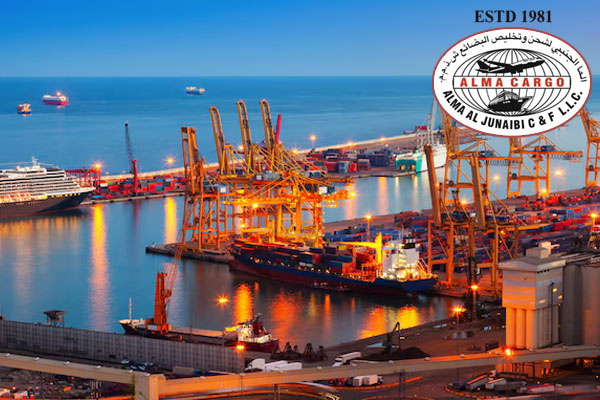
If you ship goods in or out of Abu Dhabi, customs clearance is the one step you cannot skip. Every consignment gets checked, valued, and cleared before it reaches you or leaves you. Customs Clearance in Abu Dhabi covers document checks, duty payment, and cargo inspection, and how well you handle this stage often decides whether your shipment moves on time. Here is a straightforward look at the process, the paperwork involved, and what businesses should keep in mind.
What Customs Clearance Means
Think of customs clearance as a checkpoint. Goods would not be able to enter or leave the country until the checkpoint clears them. Officials will examine your paperwork, assess the value you have declared and calculate the duty and tax that apply.
Pay what is owed, pass the checks, and the shipment moves forward. Customs Clearance UAE rules cover sea, air, and land shipments alike. The paperwork might look slightly different depending on how the goods travel, but the underlying process stays the same.
Some shipments get a physical inspection. Others go through a system check instead. It depends on what you are shipping.
The Steps Involved
Most clearances follow a similar path:
- Shipment documents go to customs authorities for review
- Officials verify the goods against your invoice and packing list
- Duty and tax get calculated based on the goods category
- Cargo may go through physical or system-based examination
- Duty and clearance fees get paid before release
- Goods are cleared for onward transport
One step feeds into the next. A missing document or an incorrect value on the invoice can stall the whole shipment, sometimes for days. Getting the paperwork right the first time avoids that back and forth.
Documents You Will Need
Customs will ask for a specific set of papers before anything moves. What exactly you need can shift slightly depending on your goods and how they travel, but this list covers what comes up most often:
- Commercial invoice
- Packing list
- Airway bill or sea bill (bill of lading)
- Certificate of origin (required for sea shipments, not for air shipments)
- Valid trade licence or business registration details
- Import code of the authorised person
- Passport copy of the owner or authorised signatory
Miss one of these and your shipment sits at the port or the airport, waiting. Certain goods call for extra paperwork beyond this list too, so it pays to check what applies to your specific shipment before it leaves.
Duty and Tax to Expect
Commercial shipments arriving at UAE ports are usually charged standard duty plus VAT. What you pay depends on whether the shipment is commercial or personal, and on the goods category itself.
An accurate invoice makes a real difference here. Customs uses it to work out what is owed, and a wrong figure (even an honest mistake) can lead to delays or extra charges later. Getting the documentation right matters just as much as the shipment itself once duty gets calculated.
Staying Compliant as a Business
A few compliance points come up again and again for businesses shipping through Abu Dhabi. Local regulations shift from time to time, and keeping pace with them keeps your shipments from getting stuck.
Certain goods need government permits before they can move at all. Your documents should match the goods category exactly, because a mismatch here tends to draw closer scrutiny from officials.
Rules can also change depending on where goods are coming from and where they are headed. Customs Clearance in Abu Dhabi works best when compliance is treated as something ongoing, not a box you tick right before shipping. A quick review every few months catches changes before they cause problems on a live shipment.
Why Customs Agents Are Useful

Handling customs paperwork on your own eats up time, and a small error can cost more than the fees you were trying to save. Customs agents who do this daily know the process inside out, and they help businesses move through it with far less friction.
They deal directly with customs authorities, port officials, and free zone authorities. That matters when a shipment needs a quick answer or extra clarification on documents, something you would otherwise be chasing yourself.
A logistics company that clears customs alongside handling your freight and storage gives you one point of contact for the entire shipment. Rather than juggling separate providers, you work with a team that already knows your cargo.
Getting the Paperwork Right
Incomplete or incorrect documents are behind most delays at customs. A missing signature, an outdated form, a figure that does not match the invoice- any of these can stall a shipment for days.
Customs Clearance UAE requirements vary from time to time. Paperwork should be according to the latest rules, not the ones that worked last year. A logistics provider that is current on these changes will help you avoid filing outdated documents and keep your goods moving and not sitting at the port.
Final Thoughts
Customs clearance in Abu Dhabi comes down to three things: correct paperwork, accurate duty assessment, and staying on top of current regulations. Miss any one of these and your shipment slows down. Working with people who handle this process regularly makes the path from arrival to release far smoother, whatever mode your goods travel by.
Alma Cargo Forwarding & Clearing LLC manages customs clearance and shipping needs across the UAE. Get a Quote to discuss your shipment.
Author Bio
The author is a seasoned professional in logistics and customs clearance with extensive experience in helping companies navigate shipping documentation and compliance requirements across the UAE. They are experienced in freight coordination, customs formalities, as well as cargo handling in different industries and take a hands on approach to each and every shipment they facilitate.