
How to ship from Dubai to Saudi?

Dubai to Saudi shipping works smoothly when the cargo plan is set early, the paperwork matches the physical load, and the delivery handover point is agreed before collection. For many consignments, road freight is the practical choice; air freight fits urgent or high-value cargo; sea freight fits containerised, higher-volume loads. A professional forwarder can coordinate pickup, packing, export formalities, cross-border movement, clearance support, tracking, and final delivery as one joined process.
What Shipping from Dubai to Saudi Typically Looks Like
Businesses or individuals tend to ship a mix of “hard goods” and “consumables”, which means the shipping plan needs balance. The goal is simple: keep branches stocked, protect brand presentation, and avoid avoidable holds at the border.
Start with a Clear Shipment Plan
Before booking, write down what is being shipped, the condition it must arrive in, and the handling limits that cannot be breached. That short preparation step keeps the conversation grounded in facts, and it helps avoid last-minute changes to packing, routing, or vehicle choice.
- Cargo category: general cargo, industrial equipment, spare parts, retail stock, personal effects, or project cargo that needs specialist handling.
- Handling requirements: fragile, high-value, temperature-sensitive, oversized, or hazardous goods that require documented packing and careful loading.
- Volume and loading format: cartons, pallets, part-load, full-load, LCL, or FCL, since the loading format often sets the price logic.
When working with a full-service logistics company, the most time-saving input is accurate weights, dimensions, and item descriptions from the outset, since every later document is built from that data.
Check Product Controls Before Pickup is Scheduled
Saudi Arabia has product controls that vary by category, and regulated goods may need extra approvals or conformity paperwork before release. A simple approach is sorting goods into three groups, then validating the regulated segment early.
- Standard goods include commercial and household goods that move with standard shipping documentation.
- Regulated goods need proper product registration along with permits, documentations and inspections.
- Restricted goods get prohibited without prior permission and need special permissions for clearance.
The shipment often includes items that fall under technical regulations. These could food, medical items, cosmetic goods, consumer products etc. It is important to perform compliance checks before packing.
Choose a Transport Mode that Matches the Delivery Promise
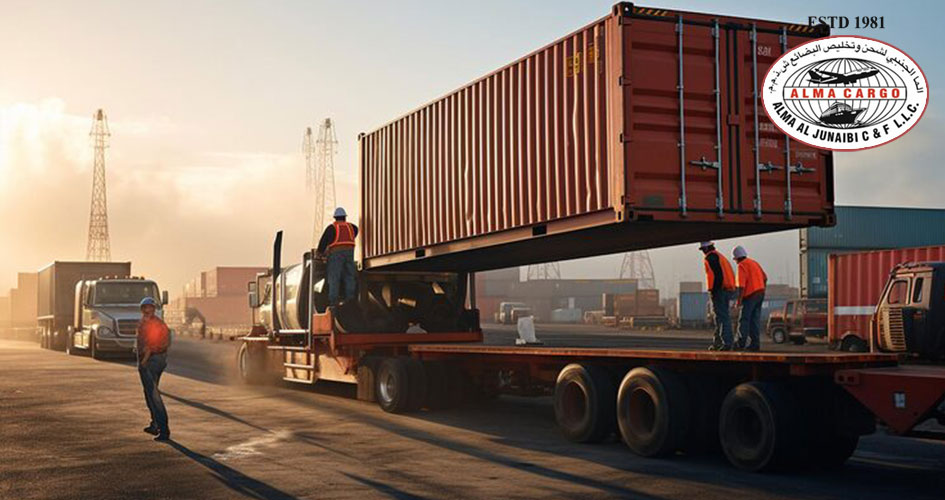
Land Transport
Road freight suits many UAE-to-KSA movements, especially for inland delivery points and routine commercial replenishment. A solid road plan covers pickup in Dubai, cross-border movement, and delivery into Saudi cities with coordinated tracking updates.
Before planning to ship your goods via the road, here are a few things to know-
- Land transport is fit for shipping cartons, pallets, mixed commercial loads as well as scheduled distributions.
- The common service formats could include full truckload for dedicated cargo. Smaller loads involve consolidated movements.
- The biggest time variable includes border checks as well as document review. Ensuring accurate paperwork help to protect the delivery schedule.
Air Freight
When shipping goods where speed matters more than volumetric cost, air freight is the best option. It is a suitable option for shipping fragile and valuable items as they benefit from shorter transit chains.
- Air freights are suitable for urgent commercial cargo, time-sensitive goods, confidential documents, controlled consignments etc.
- Packaging of the shipments should be compact and secured enough to handle airport and airline acceptance requirements.
- Export and import checks are still applicable. Document alignment is also non-negotiable. Ensure to keep all paperwork accurate and packaging should be compliant with clear product descriptions.
Sea Freight
If you are planning to ship larger loads, where container space improves unit cost, choose sea freight. Cargo transfers that have a longer transit window or are planned around port schedules, sea shipments become a common option. They allow full container loads or shared container space for small shipments.
- Sea freight is usually suitable for transporting bulk goods, equipment and containerised shipments as per FCL or LCL formats.
- You can choose from options like LCL consolidation, FCL booking as well as cargo handling support for sensitive goods.
- Proper documentation, invoicing, packing list must be done because any inconsistency can trigger checks.
When looking for the best shipping company in UAE, look for partners who offer all these types of shipping modes. Along with these, they should offer complete documentation support, live tracking, secure transit and steady coordination across the borders.
Getting Goods Ready and Sorting Out Paperwork
A bit of groundwork is involved during Dubai to Saudi shipping. Paperwork is the backbone of everything. You need –
- Commercial invoices
- Bills of lading
- Certificates of origin
Most people don’t realise how particular Saudi customs gets about paperwork. Officials examine these documents closely, and mistakes in them create delays that push back your delivery dates. Beyond the forms, your goods need packaging that survives the journey, labels that match both UAE and Saudi standards, and possibly insurance depending on how valuable your cargo is.
A good logistics company walks you through this preparation step-by-step, since experienced freight forwarders know exactly what Saudi customs wants to see and how to fill everything out properly (which saves you from the back-and-forth that happens when people guess). Some items need special permits before they can even leave like certain electronics, medicines, or food products fall into categories that need pre-approval.
Getting Through Customs
When your cargo arrives at a Saudi entry point, customs procedures begin. This is where many shipments hit unexpected delays if paperwork doesn’t match what Saudi officials need. They look at the shipment to confirm that customs fees get paid correctly.
The procedure includes specific forms, verifying box contents, paying applicable custom duties etc., before shipment gets released.
Customs clearance typically takes one to three days for straightforward shipments, though if your paperwork’s incomplete or items are complicated, it stretches longer. Having customs brokers handle this part stops things from going wrong and keeps you compliant with Saudi regulations that change now and then.
Understanding What You’ll Actually Pay
Goods entering Saudi Arabia have customs duties attached, calculated based on what the goods are, their declared value, and where they come from. Each type of product has different rates applied.
On top of customs duty, there’s value-added tax at 15% on most imports, calculated on the value after duty gets added, not just the original cost. These costs need to get paid before customs releases your shipment, so factor them properly when working out what shipping actually costs overall.
Conclusion
Shipping cargo from Dubai to Saudi Arabia runs smoothly when the job is treated as one joined flow: cargo planning, mode selection, accurate documentation, disciplined packing, then coordinated clearance and delivery. Most delays trace back to mismatched paperwork or vague product details, so early alignment protects time and cost.
To move cargo on this lane with paperwork and delivery updates, contact Alma Cargo Forwarding & Clearing LLC for land, air, or sea freight, plus customs clearing and door-to-door handling.
Alma Cargo Forwarding & Clearing LLC supports freight forwarding, clearing and forwarding, warehousing, and door-to-door cargo for GCC destinations such as Saudi Arabia.
Author bio
Alma Cargo Forwarding & Clearing LLC is a Dubai-based freight forwarding and customs clearing company. They offer services include air freight, ocean freight, land transport across GCC lanes, clearing and forwarding, door-to-door cargo handling, packing and moving, warehousing, distribution, and cargo storage support for business and personal shipments regionally.