
What documents do I need for customs clearance?

Moving your cargo through international ports requires a large amount of very specific and highly detailed paperwork. You must have every single file ready before the ship finally arrives at the busy destination port. This careful preparation helps you avoid very high storage fees and long delays at the local docks.
Getting your customs clearance Dubai right is always the first step for any successful international trade project. You want to keep your entire supply chain moving without any unexpected or costly stops at the border. Missing one small detail often leads to very heavy fines or seized cargo at the local border.
Commercial Records for Your Cargo
The commercial invoice serves as the main record for any international business transaction performed across the world today. It shows exactly what you bought and the specific price you paid for each item in the shipment.
Customs officers use this data to find the right tax rate for your specific goods at the port. Errors on this document lead to long delays and unwanted questions from the local government trade authorities. You should verify every line of text against your original purchase order to maintain total accuracy today.
Details for Your Invoice
You must include the full name of the buyer and seller along with their complete physical addresses. List the unit price and the total price for every item in the shipment using the correct currency. Many professional clearing and forwarding agents in Dubai help you manage these complex financial documents every single day. They make sure that your invoice meets the specific standards required by the local customs and tax departments.
Packing Details for Your Shipment
A detailed packing list provides a clear map of every box inside your shipping container for the inspectors. You should list the exact weight and dimensions of every single package in your cargo very clearly. It seems like a lot of extra work yet it saves time during the physical inspections. This file helps the warehouse staff during the loading and unloading phases of the transit at the docks. You will find that clear labelling on the boxes matches the details on your physical packing list perfectly.
Transport Contracts and Records
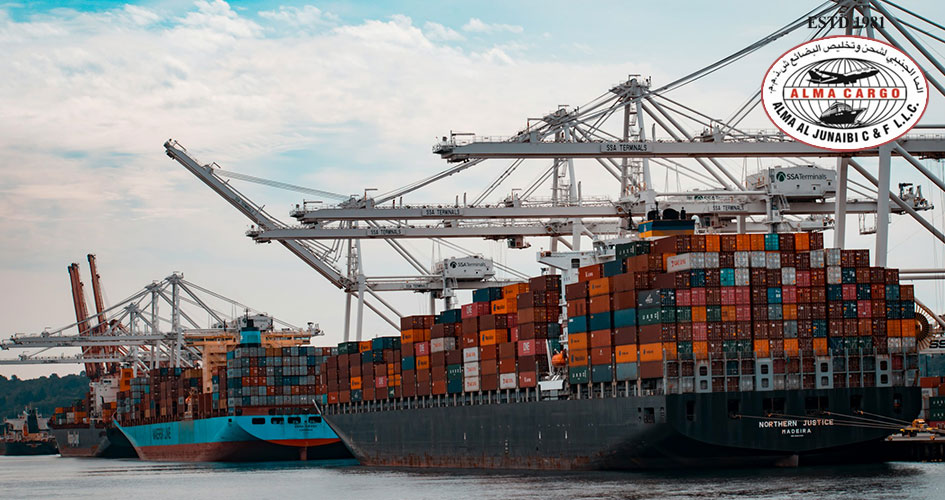
The Bill of Lading acts as a formal contract between the shipper and the ocean carrier company today. It serves as a receipt for the goods and a document of title for the legal owner.
You must make sure that all names and addresses match your other files perfectly to avoid any issues. Modern logistics solutions help you digitise these transport records to make the whole process much faster and easier. Using digital tools allows you to share data with the port authorities well before your ship finally arrives.
Airway Bill for Fast Freight
Shipping your cargo via the air route requires an airway bill. This paper tracks your cargo as it moves through various airports and transit points across the entire globe.
You can track the progress of your paperwork in real time using these advanced and helpful digital platforms. Clear communication between all parties involved remains the key to avoiding any costly delays at the border.
Regional Requirements and Certificates
The Certificate of Origin verifies where your products were actually made or grown for the international trade market. You need this specific document to benefit from trade agreements between different nations across the world today.
Some countries offer lower tax rates for goods that come from their preferred and trusted trading partners. You must get this certificate stamped by a local chamber of commerce before you send your final shipment.
Insurance Coverage for Your Goods
A valid insurance certificate protects your financial investment if an accident occurs during the long transit journey today. You should always carry a copy of this policy with your shipment to show to the authorities.
It provides peace of mind as your goods cross the high seas in large and heavy metal containers. Safety is always the priority for any business owner who moves valuable products across the ocean. Securing your customs clearance Dubai involves showing proof of valid insurance to the port officials at the dock.
Legal and Safety Permits
There are a few types of cargo that necessitate special government permissions before entering a new country or region safely. You may need a license for-
- Chemicals
- Medicines
- Specific electronics
- Precious metals
Check with local ministries to see if your products fall under these highly controlled and regulated categories. Experienced clearing and forwarding agents in Dubai know exactly which permits apply to your specific type of cargo.
Health and Safety Forms
Food and plant products require special health certificates to prove they are safe for the local human population. Inspectors at the port look for these papers to prevent the spread of pests or dangerous diseases today.
You should provide the agents with all the technical details of your products to get the best advice. Effective logistics solutions integrate these declarations into a seamless digital workflow for all your international shipping needs.
Having the right records ready for the local authorities at the destination port will ensure a successful shipping. Stay organised and check all documents for errors before continuing with the shipping procedure. It prevents you from paying heavy fines later and keeps your business moving forward in the global market.
Partnering with professional shipping companies like Alma Cargo Forwarding & Clearing LLC guarantees better handling of shipments with error-free paperwork. The team handles your documentation needs with professional care. Connect now to start your next successful shipment.
Author Bio
The author serves as a dedicated logistics consultant with years of field experience in the international trade sector. This post aims to simplify the entire documentation process for global shippers using very clear and simple language. By sharing these insights, the author intends to help you avoid common shipping errors and unwanted financial losses.